- Home
- About
- Courses
- Future Students
- Current Students
- How to Apply
- Pearson
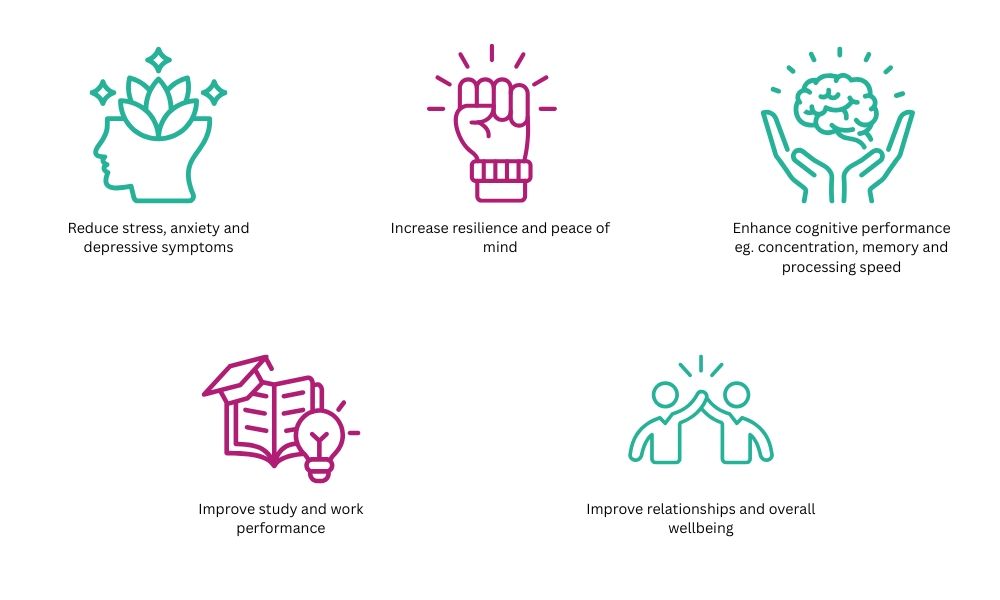
Mindfulness is about learning to train your attention to the present moment without dwelling on the past or worrying about the future.
The practice of ‘meditation’ can be developed over time and involves intentionally paying attention to your breathing. Initially, your mind might wander, but you will learn to gently redirect your mind to the present and back to your breathing.
Ten minutes a day is recommended in order to start seeing the benefits.
Simple and easy-to-learn meditation techniques for a healthier and more balanced life.
HeadspaceModern meditation via a unique web and app-based program, developed by psychologists and educators.
Smiling MindA free meditation and mindfulness app offering guided meditations, sleep aids, relaxation music, and wellbeing courses to help reduce stress and improve mental health.
Studying at university is enough to keep anyone busy, which is why it’s so important to make time for your own mental wellbeing.
You may be familiar with procrastination, the definition of which is ‘to put off until tomorrow’. Procrastination is characterised as a breakdown in our ability to regulate and organise ourselves to achieve a certain outcome in a reasonable amount of time, where we might substitute a less important task for the important one. This pattern of delaying and postponing tasks can make us feel more stressed and anxious over time.
If you are ever struggling with any aspect of your studies (or life outside of studies), you can always book an appointment with our Academic Support team.
Stop avoiding the task!
Estimate the time the task will take
Make to-do lists and schedule time in your calendar
Give yourself reminders
Prepare your study space and eliminate distractions
Determine which times of the day you do your best work
Reward yourself for getting the job done
Set time for scheduled breaks as well as for work
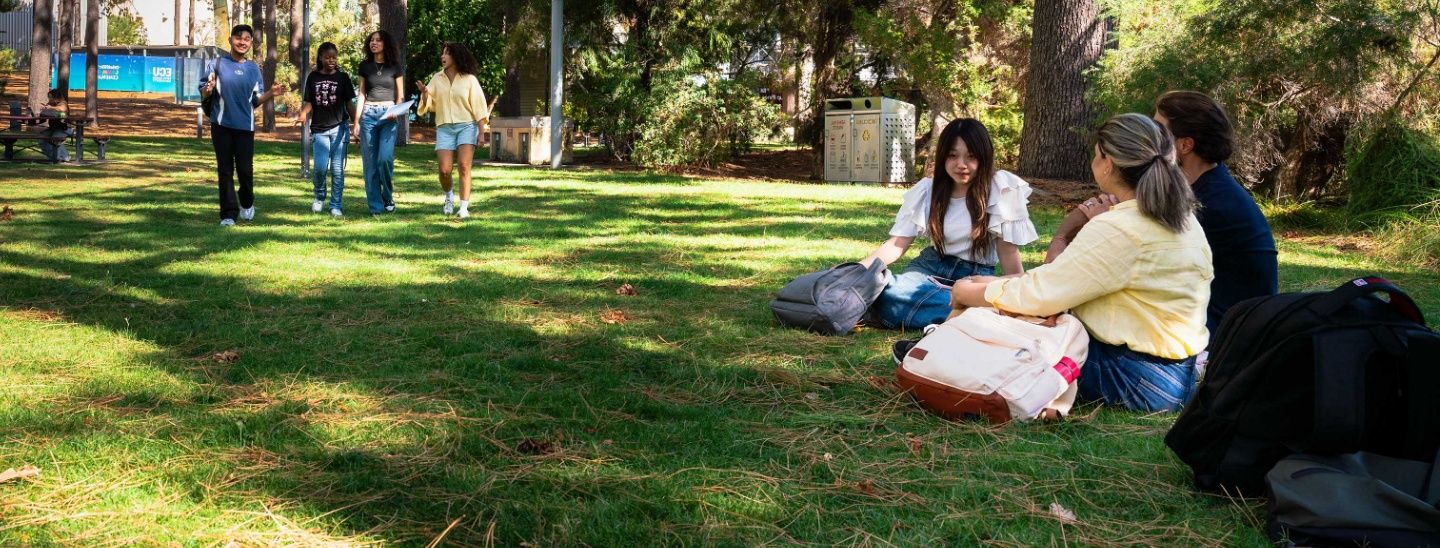
Students with strong family or social connections are generally healthier and happier than those without any support network. Make regular plans with supportive family members and friends, or seek out activities where you can meet new people, like a class, a club or a support group
Volunteering is a great way to meet people and make friends while contributing to the community. It also allows you to gain valuable work experience skills that will be a huge advantage in the workforce once you graduate. To learn more about volunteering or finding a part-time role, visit our Working & Studying page.
Working and Studying pageTaking part in student events and extracurricular activities is the simplest way to meet like-minded peers! Learn more about student events on campus, then get ready to show up and make some new friends
Events on CampusLearn More about ECC support services, we have a free on campus Counselling service available to all ECC students.
Student Support
Ultimately, we are social beings who naturally seek connection with others. Taking steps to create and maintain relationships in your life is essential. The friends and family we rely on are those who we celebrate with in the good times, and who we turn to in times of need.